Claude
A conversational AI assistant for thoughtful writing, analysis, coding, learning, and document work.
Visit Claude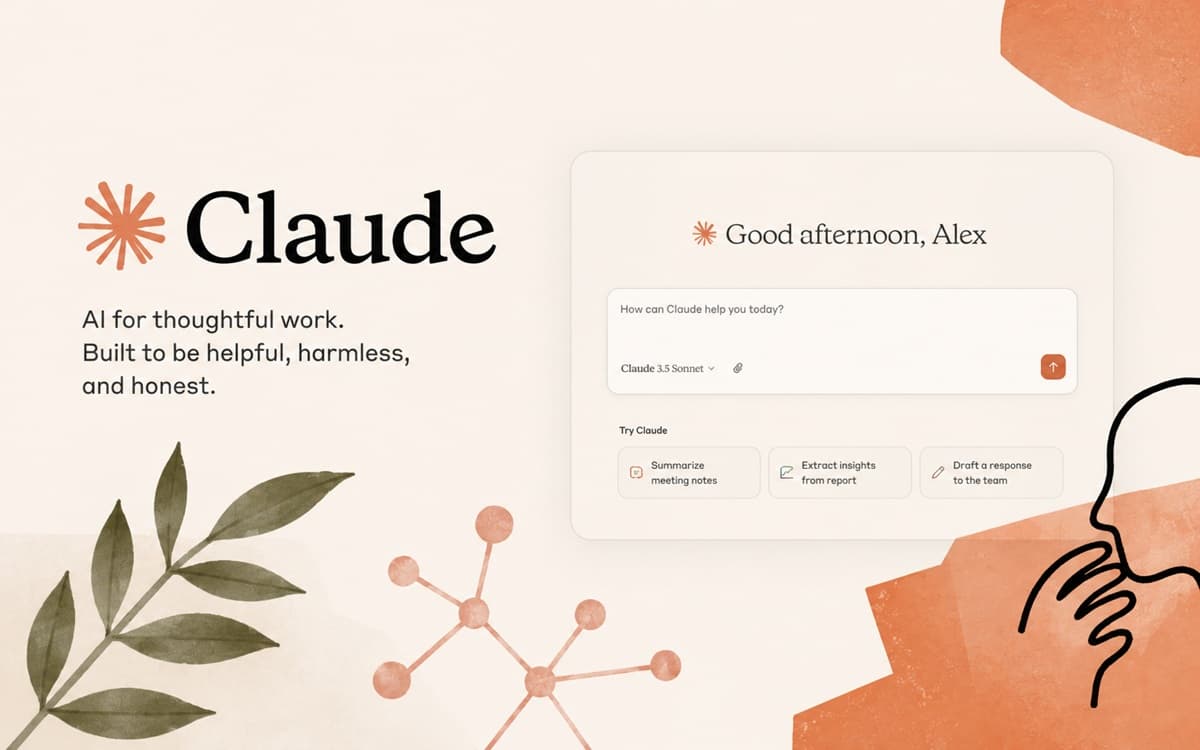
What Claude offers
Claude is a conversational AI assistant created by Anthropic. Visitors can use natural language to ask questions, explore ideas, draft and revise writing, analyze supplied material, reason through a plan, and discuss code. The interaction is designed around conversation: add context, examine the response, then ask Claude to clarify, restructure, compare, or continue the work.
Anthropic also presents Claude as a family of experiences across the web, supported devices, developer access, and workplace use. Public features can vary by plan, location, and release, so the official product and help pages are the right place to see what is currently available.
Who may enjoy it
Claude may appeal to writers who want a responsive editorial partner, learners who benefit from asking follow-up questions, analysts working through documents or competing ideas, and developers who want help understanding or producing code. Teams may also find value in using a shared assistant for early drafts, synthesis, and structured thinking within their organization’s policies.
It is especially interesting as a comparison point. Giving the same clear, low-risk task to Claude and another assistant can reveal differences in tone, structure, assumptions, and interaction style. That comparison helps users become more deliberate about choosing a tool rather than treating every model as interchangeable.
How it connects to the AI revolution
Claude demonstrates how a general-purpose model can become a flexible thinking and creation environment. The product is not limited to one traditional software category; the same conversation can move among explanation, writing, analysis, planning, and code. That breadth is one reason generative AI feels like a larger shift rather than a single new application.
For Atlas readers, Claude offers a place to practice prompting, communication, and human judgment. A useful response still depends on a well-framed goal, relevant context, thoughtful review, and a person who owns the final decision.
A good first visit
Bring a short piece of non-sensitive writing that you created. Ask Claude to identify the intended audience, summarize the main point, and suggest two different structures without rewriting it yet. Review the suggestions, choose what fits your voice, and then ask for help with one section. This keeps the human purpose visible while showing how conversational iteration can improve a draft.
As with any AI assistant, check important claims and follow applicable rules before sharing documents or workplace information. The most rewarding use is active: question the answer, add what the model is missing, and shape the result yourself.
Official starting points
Last reviewed June 20, 2026.
Evaluate thoughtfully
Is this tool a fit for your goals?
 Ask Dr. Mira